Wellington Zoos & Aquariums
Wellington zoos and aquariums: guided wildlife tours of Zealandia by day or by night, with kiwi, tuatara and native birds in the bush.
Top experiences
2 experiences found
All filters



Wellington
Zealandia by Day Guided Experience




Discover Zoos & Aquariums
Wellington zoos and aquariums come with a local twist: the capital's best-known wildlife experience is a fenced sanctuary of restored native forest on the edge of Karori, where kiwi, tuatara and native birds live outside enclosures. Guided walks run by day and after dark, and they sit alongside the rest of the city's Wellington attractions.
A sanctuary instead of cages
Wellington's native wildlife attraction is Zealandia, 225 hectares of regenerating forest ringed by an 8.6km pest-exclusion fence. The fence was finished in 1999, the pests inside were then cleared, and native species have been brought back since, so the animals here roam the bush rather than living in enclosures.
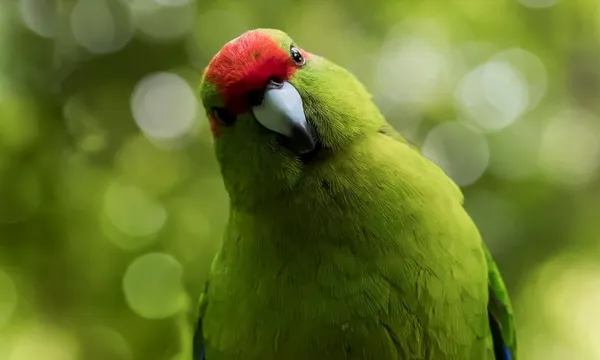
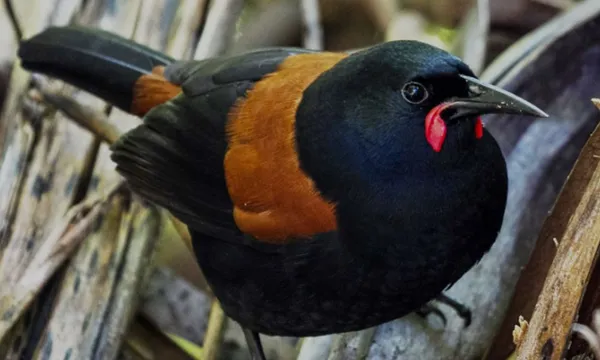
The list of residents is long. Little spotted kiwi were released in 2000, tuatara arrived from 2005, and the birds include North Island kākā, kererū, North Island robins, saddlebacks, stitchbirds, whiteheads, riflemen and bellbirds. Giant wētā, Hamilton's frog and spotted skinks live here too, which makes the sanctuary as much a reptile and insect outing as a bird one.
Day and night walking tours
By day, a guided walk such as the Zealandia by Day Guided Experience takes small groups of no more than 10 through the sanctuary on a 2-hour walk, with the guide explaining the ecological history and pointing out species like the busy tīeke (saddleback). Tours leave at 10am, 11am and 1pm, and general admission is included.
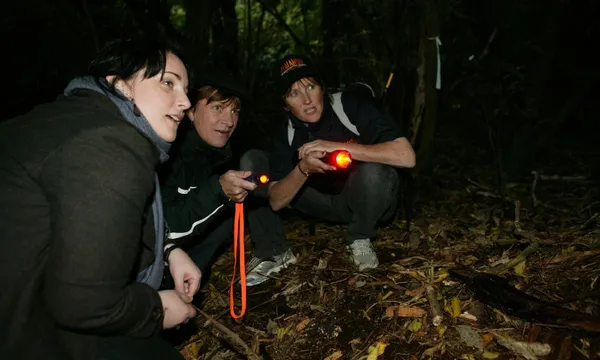
The nocturnal side is a different trip. The Zealandia by Night Tour is a 2.5-hour torchlit walk that departs about half an hour before sunset, so the start time shifts through the year. Many of New Zealand's native species are nocturnal, which is why the guides head out looking for kiwi, tuatara, glow worms and Hamilton's frogs once the light fades. The night ticket includes daytime entry on the day before, the day of or the day after, so one booking covers both sides of the sanctuary.
Beyond the sanctuary
Wellington Zoo in Newtown opened in 1906 and is the oldest public zoo in New Zealand, set on a hilly site in the town belt. It adds exotic animals to a city whose wildlife attractions are otherwise built around native species.
Marine wildlife is a trip out of town rather than a tank. A day like the Wellington Seal Coast Safari drives a 4WD across private farmland to look over the Cook Strait at NZ fur seals, and Wellington tours like the Wine and Wild Coast day add a seal colony and Cape Palliser Lighthouse to a day in the Wairarapa.
Planning a wildlife visit in Wellington
Weather can change during a sanctuary walk, so the advice is sturdy footwear, plenty of layers and a waterproof jacket. A moderate level of fitness is needed for the walking, and an on-site café serves food.
Families can take the day walk, which suits all ages, and the things to do in Wellington with kids choices round out a trip. The things to do in Wellington run well beyond wildlife, into film workshops and museums, and zoos and aquariums across Australia and New Zealand take in everything from Cairns to Sydney.
Frequently asked questions
Can you see kiwi in Wellington?
Yes, little spotted kiwi live wild in the Zealandia sanctuary in Wellington, and the guided night walk goes looking for them after dark. Kiwi are nocturnal and shy, so a sighting can't be guaranteed.
Is there a zoo in Wellington?
Yes. Wellington Zoo in Newtown opened in 1906 and is the oldest public zoo in New Zealand. Zealandia, a fenced native wildlife sanctuary on the edge of Karori, is the city's other major wildlife attraction.
How long do Zealandia tours in Wellington take?
The guided day tour at Zealandia is a 2-hour walk, and the guided night tour is a 2.5-hour walk that departs about half an hour before sunset.
What native animals can you see at Zealandia?
Zealandia is home to little spotted kiwi, tuatara, North Island kākā, saddlebacks, stitchbirds, kererū, giant wētā and Hamilton's frogs, with the nocturnal species most active on the night tour.
Is Zealandia suitable for kids?
The Zealandia day tour suits all ages with a moderate level of fitness. Children must be 12 or over for the Zealandia night tour.
What should you wear for a wildlife tour in Wellington?
Wear sturdy walking shoes, warm layers and a waterproof jacket, because Wellington's weather can change during a Zealandia tour.
Can you visit Zealandia at night?
Yes. The Zealandia night tour operates nightly all year and departs about half an hour before sunset, so the start time depends on the season.
Wellington's wildlife is best met on foot in the bush, and the sanctuary on Karori's edge gives you a daytime walk and a night walk to choose between.